
























How to style chevron timber flooring without overwhelming your space
20 Jul 2026
There's a moment in almost every flooring consultation where someone pulls up a photo of a gorgeous chevron floor, pauses, and says something like: "I love it, but I'm worried it'll be too much in my space."
It's a fair concern. Chevron is a confident pattern. It carries movement, geometry, and a strong visual pull that straight-laid planks simply don't have. Choose the wrong context and it can feel busy.
What most people discover once they've lived with it, though, is that chevron is actually easier to style than it looks. The key isn't to fight the pattern or try to neutralise it - it's to let it lead, then make smart, restrained choices around it. This guide from Havwoods Australia covers practical ways to bring chevron into an Australian home without the room feeling overworked.
Chevron vs Herringbone: What's the difference?
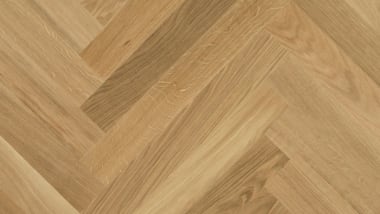
People often mix these two up, and it matters because the styling implications are different. Both are parquetry. Both use angled planks. But herringbone lays rectangular boards in a staggered, offset pattern - each plank meeting the next at 90 degrees to create a broken zigzag effect.
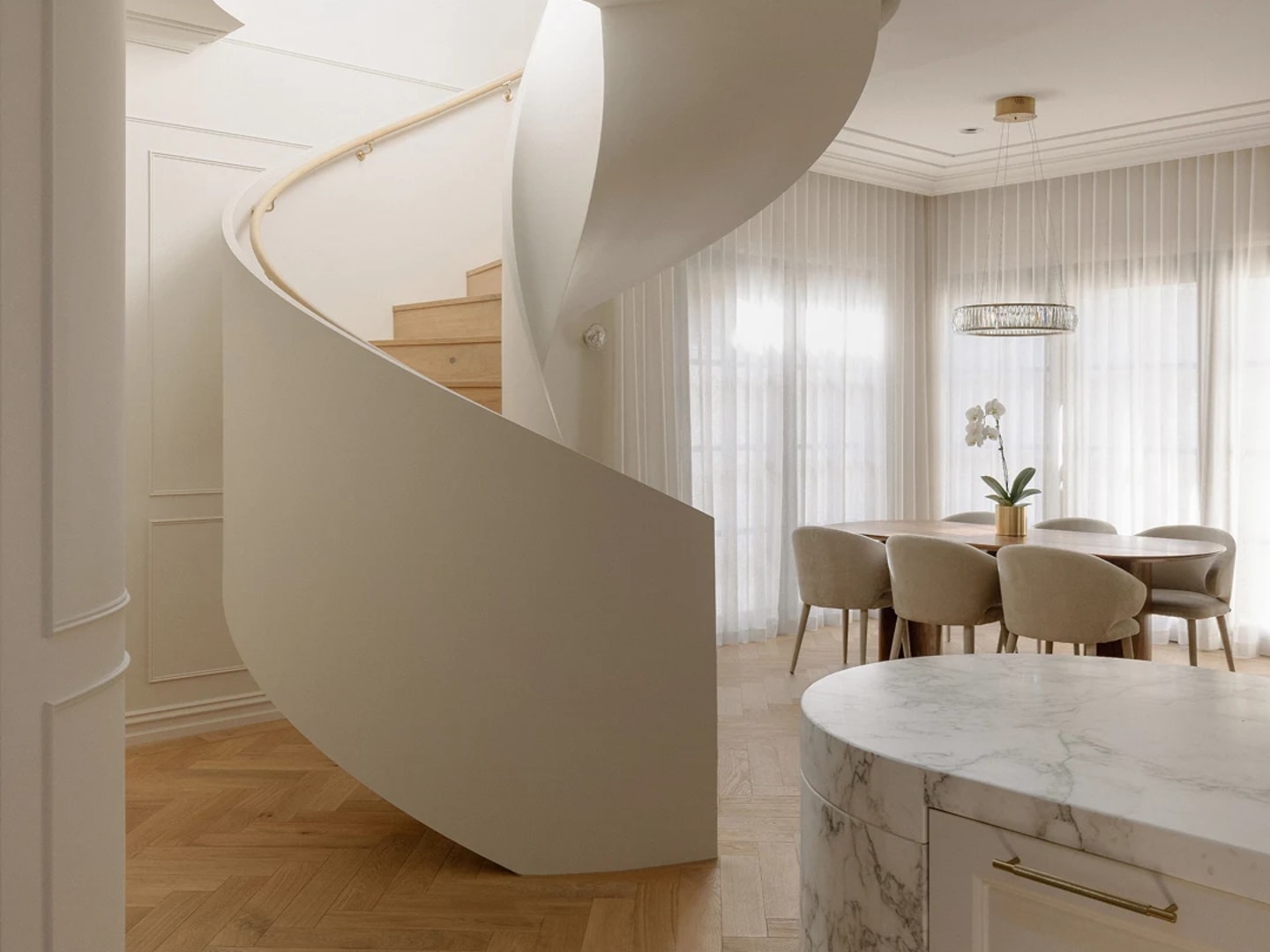
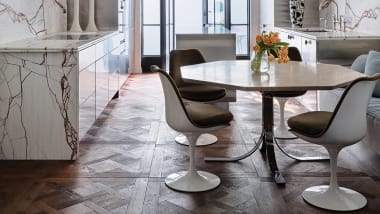
Featured timber flooring: HW4120 Mentone Herringbone, Venture Plank
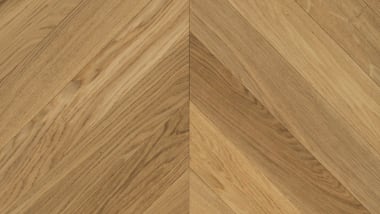
Chevron is cut differently. The short end of each board is mitre-cut at an angle (usually 45 degrees), so the pieces meet tip-to-tip in a continuous, uninterrupted V pattern.
That might sound like a small distinction, but visually it's significant. Herringbone has a busier, more textured look - almost woven. Chevron reads cleaner and more directional. It pulls the eye down the length of a room in a way that herringbone doesn't quite manage. If your taste leans contemporary and architectural, chevron is likely where you'll want to land. Herringbone suits homes that are going for something warmer and more layered.
The Luxe Collection by Havwoods carries both across matching European Oak tones, which is useful if you're working through the decision - we encourage you to order free flooring samples of each and live with them in your space for a few days before committing.

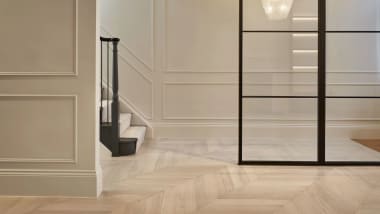
Featured timber flooring: HW16601CP Alabastro Chevron, The Italian Collection
Light vs dark chevron timber flooring: The decision that actually matters
Let’s forget the pattern for a moment. The colour of your chevron floor will do more to determine whether a room feels at ease than the zigzag ever will.
Going lighter
Most Australian homes are built to chase sunlight - north-facing living zones, large sliding doors, generous glazing. In that context, a blonde or platinum chevron floor is a reliable choice. Something like Hyde Chevron - a warm blonde European Oak from the Luxe Collection - or the cooler Woodbury Chevron in platinum will bounce that natural light around and allow the chevron pattern to read as subtle texture rather than a dominant feature. These tones also complement the limewashed, linen-heavy interiors that have become a defining look in Australian residential design over recent years.
For smaller apartments or rooms with limited natural light, a lighter tone is the best place to start.

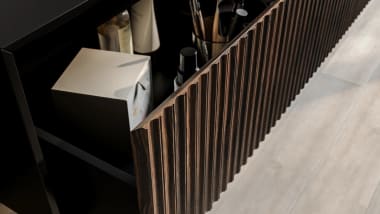
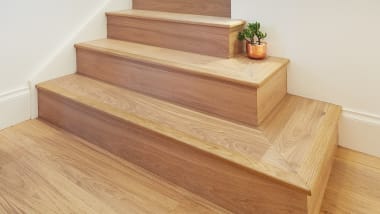
Featured timber flooring: HW6256 Norwich Chevron, Luxe Collection (Please note: This product is currently on Clearance. While stocks last.)
Going darker
Dark chevron - such as Bellmore Chevron in deep monochrome, or Elmont Chevron in a smoky grey - is a different proposition entirely. It's dramatic, grounding, and unapologetically bold. It can look extraordinary in a double-height living room and equally overwhelming in a standard-ceiling space with limited glazing.
The honest advice: dark chevron needs volume. High ceilings, wide rooms, and generous natural light give it room to breathe. Without those conditions, pale walls and very pared-back furnishings become essential - you're essentially designing the entire room around the floor.
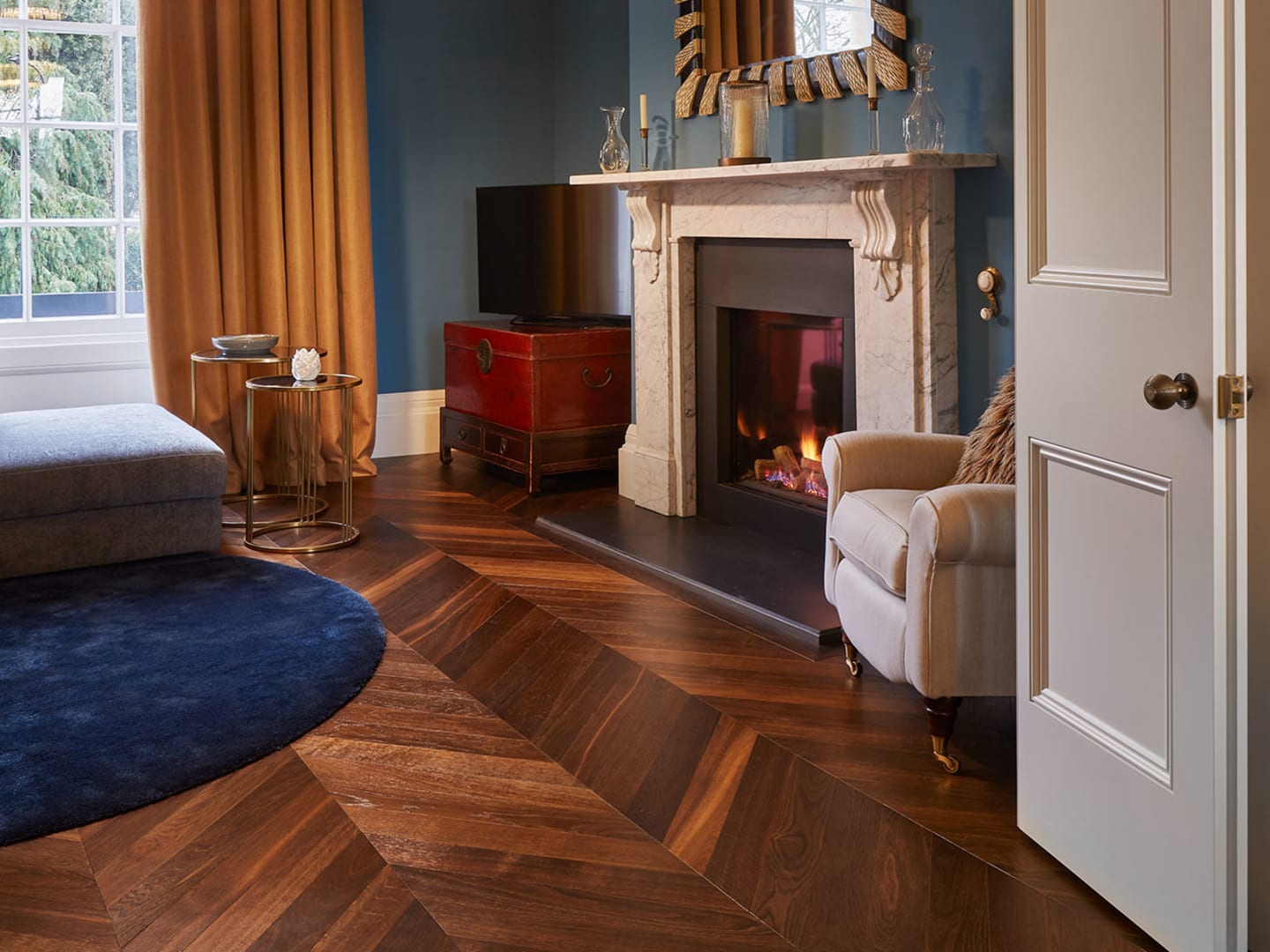
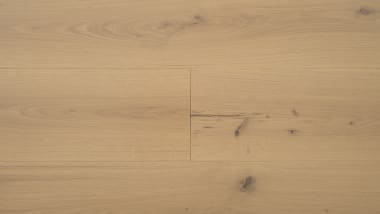
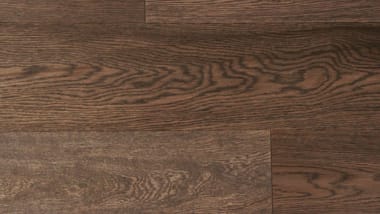
Featured timber flooring: HW16602P Notte Chevron, The Italian Collection
Which direction should chevron run?
This comes up in almost every project, and the answer is less complicated than it seems. Chevron has a natural vanishing-point effect - the V-shape draws the eye along its length, so point it in the direction you want attention to travel.
In a long, narrow hallway (common in Sydney terraces and Brisbane Queenslanders), run the chevron lengthways. It will exaggerate the depth and make the space feel longer and more purposeful. In a squarish living room, aim the pattern toward your largest window or main outdoor connection. That visual pull toward natural light makes the room feel more open and connected - something Australian homes do particularly well when the design works with it.
"Chevron flooring is an amazing addition to any space, bringing expanse and an open feel – especially when used in hallways or tight spaces. The distinct V-shaped pattern naturally guides the eye through the room, adding depth and a sense of luxury, enhancing the overall design aesthetic."
- Hayden Light | Residential Sector Lead
One thing to avoid: running the chevron perpendicular to the room's main sightline. It creates a visual interruption that makes the space feel smaller and more enclosed.
What spaces work best with chevron flooring?
Chevron needs enough uninterrupted floor area for the pattern to establish its rhythm. Aim for multiple repeats of that V shape before a wall or piece of furniture cuts it off - three or four repeats and the pattern clicks. Fewer than that and it can read as fussy rather than elegant.
Compact ensuites and laundries are generally not the right fit. Chevron shines in living rooms, dining areas, wide hallways, and main bedrooms - anywhere you'll see a generous stretch of floor. Open-plan kitchen, dining and living zones are arguably the ideal setting, as the continuous run gives the pattern room to do its work.
Entryways are also well suited, particularly when a hallway leads off them. The directional quality of chevron creates an immediate sense of arrival that a standard plank floor doesn't quite deliver.
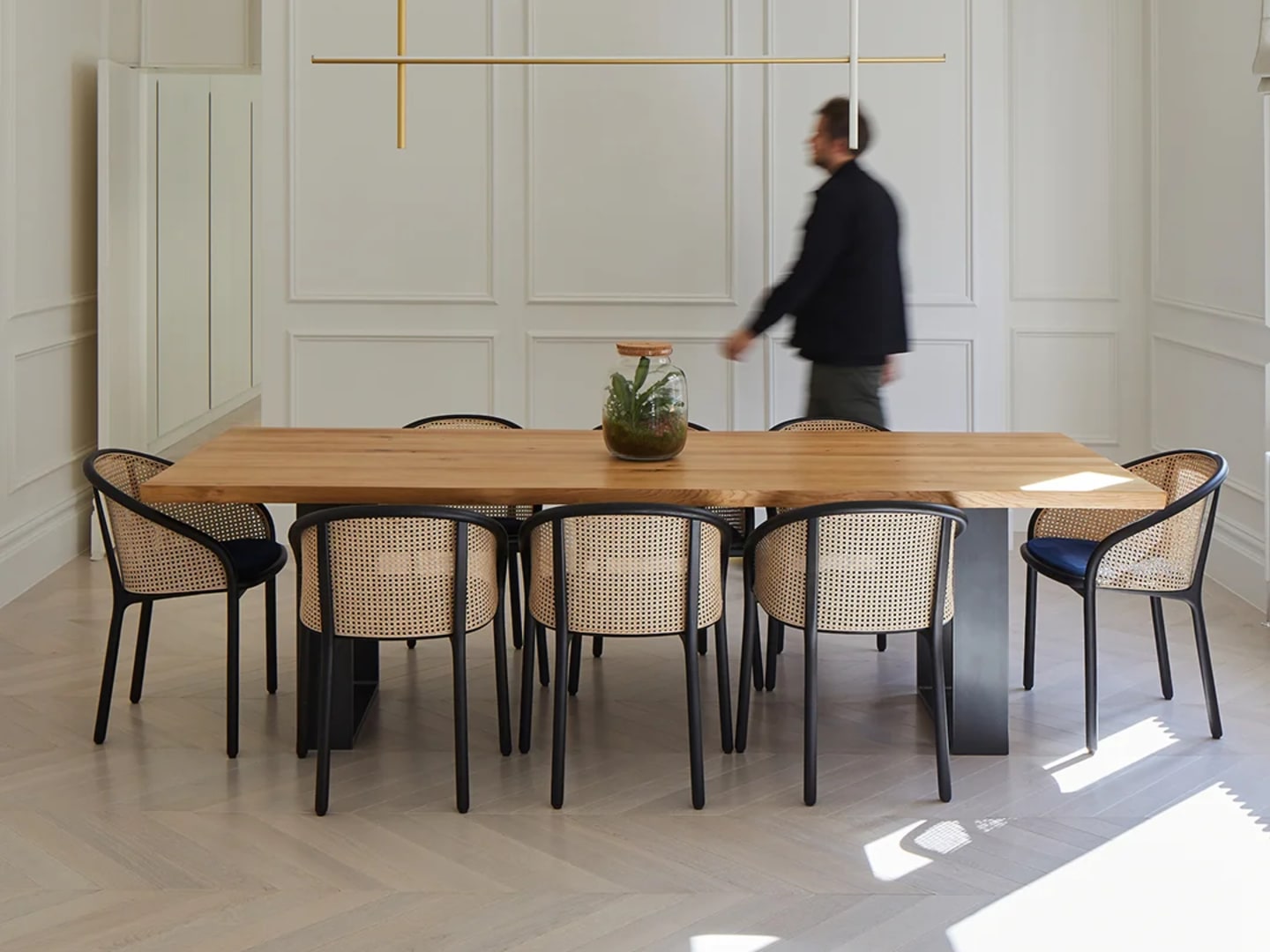
Featured timber flooring: HW16601CP Alabastro Chevron, The Italian Collection
Does chevron flooring work in open-plan living?
Modern Australian homes are predominantly open-plan, and this is where chevron flooring earns its keep. The directional pattern naturally guides movement through a combined space - from the kitchen through to the dining area and on to the living zone - without the need for different flooring materials or heavy rugs to define each area.
The key consideration is avoiding too many competing patterns in the same space. If you've committed to a geometric floor, everything else in the room should step back. Choose solid or subtly textured upholstery, a simple splashback, and curtains or blinds in a plain weave. One bold geometric per room is a useful rule of thumb, and the chevron floor is already fulfilling that role.
Let the floor be the feature, and dress the rest of the room around it.
Can you put a rug over chevron-patterned flooring?
Yes - and in many parts of the home, it's a good idea. A rug under a dining setting or lounge grouping adds warmth, helps absorb sound (a real consideration in open-plan spaces with hard flooring), and gives the eye a natural resting point.
The key is selecting rugs that complement rather than compete with the floor. Natural fibres are a reliable choice here — a chunky jute, a flat-weave wool, or a textured boucle in a neutral tone. Anything with a bold geometric pattern of its own is likely to clash. Over a lighter chevron like Pallido Chevron or Alabastro Chevron, an undyed linen or sisal rug looks effortless.
"I always tell clients to think of the rug as a frame, not a cover-up, allowing the Chevron to be the hero of the room, showcasing its timeless, sophisticated pattern. You want to see enough of the chevron around the perimeter to appreciate its character, while the rug gives your eye a place to rest. It's about balance, not concealment."
- Olivia Golding | Sydney Showroom Manager
Size matters too. A rug that's too small can look as though it landed by accident. Choose one large enough to anchor the furniture grouping, with a generous border of chevron visible around all sides.
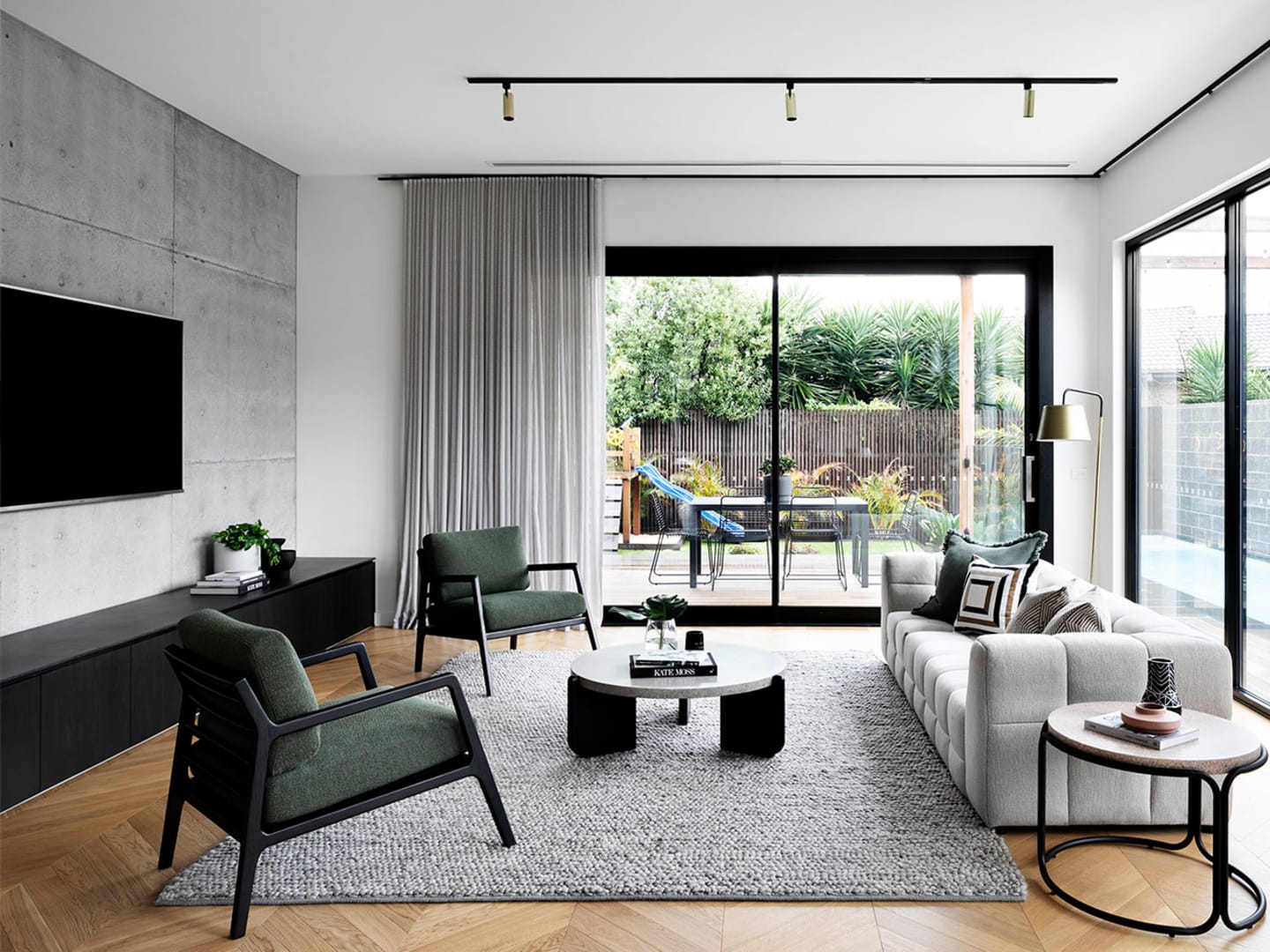
Featured timber flooring: HW16604CP Pallido Chevron, The Italian Collection
Keeping it looking good: Chevron flooring maintenance basics
Engineered chevron is far less demanding to maintain than many people expect, particularly with pre-finished boards. The European Oak chevron options in the Luxe Collection arrive with UV oiled coatings already applied - no sanding, staining, or sealing required on your end. Install them and you're ready to go.
Day-to-day, keeping grit off the surface with regular sweeping or vacuuming on the hard-floor setting will prevent the micro-scratches that accumulate over time. Damp-mop occasionally with a cleaner formulated for timber floors. Avoid vinegar, bleach, and steam mops, as these can strip or cloud the finish.
One particularly relevant point for Australian conditions: engineered timber flooring handles the local climate far better than solid timber. The layered construction resists the expansion and contraction that comes with humidity swings - and depending on where you live, those swings can be considerable.
A floor that remains stable through a Brisbane summer and a Canberra winter is well worth the investment. Havwoods backs the Luxe Collection with a 25-year residential warranty, which reflects the confidence we have in the product's long-term performance.
Felt pads on furniture legs, shoes off at the door, and prompt attention to spills will take care of the rest. For the visual impact chevron delivers, the ongoing care required is genuinely minimal.
Is chevron flooring more expensive?
Chevron installation typically requires more planning, cutting, and labour than straight-laid planks; and it's worth factoring that in from the outset. That doesn't make it unattainable, but it does mean the decisions you make upfront carry more weight.
Choosing the right product, room, colour, and orientation before work begins helps ensure the investment feels considered and worthwhile for the long term. Getting those fundamentals right is the best way to make every dollar work harder.
The short version
Choose a chevron timber tone that suits your room's light levels and proportions. Direct the pattern toward the light or along the longest axis. Keep the surrounding palette calm and considered. Use rugs with purpose. And stop worrying that the floor will take over styled well, chevron doesn't dominate a room. It organises it.
Browse the full chevron collection at Havwoods Australia, order free samples to test in your own space, or book a showroom visit in Sydney, Melbourne, Newcastle, or Brisbane.

