














How Dark Wood Floors Transform a Space
12 May 2026
A floor sets the mood of a room before any other surface gets a say. Dark wood floors carry that responsibility with quiet authority, anchoring an interior, framing the architecture, and shifting how every other material reads against them. Whether the space is a sun-drenched penthouse, a low-ceilinged study, or a bustling open-plan kitchen, deep tones bring weight, contrast, and a sense of considered design that lighter floors simply cannot replicate.
The Visual Power of Dark Wood Floors
The first thing dark wood floors do is ground a room. The eye is naturally drawn downward, and a rich, deep floor gives the space a stable visual base that everything else builds from. Walls feel taller. Ceilings feel more deliberate. Architecture that might otherwise read as flat takes on a new dimension because there is something below it doing real visual work.
That contrast effect is what makes dark wood floors so transformative in homes with plenty of natural light. A pale wall set against a deep floor creates a clean horizon line that draws attention to crown molding, baseboards, doorways, and built-ins. In rooms where the trim is doing something interesting, this kind of grounding tone helps it land. Even in minimalist interiors with very little ornamentation, dark wood flooring acts as the architectural anchor that gives the space its character.
There is also a sculptural quality to consider. Furniture sits more confidently on a dark surface. A pale linen sofa, a brushed brass console, a stone-topped coffee table, each of these reads more sharply when the floor underneath holds its own. Lighter floors tend to flatten silhouettes. Dark wood floors carve them out.
How Dark Wood Floors Shape Mood and Atmosphere
Color in interior design is rarely just visual. It is emotional, and the floor is no exception. Deep tones bring warmth, intimacy, and a sense of permanence that gives a room presence. A space with dark wood floors tends to feel more grounded, more considered, and more lived-in, even on the day the last box is unpacked.
A Sense of Calm and Refinement
In bedrooms, studies, and reading nooks, dark wood floors create an atmosphere that invites quiet. The room feels enclosed in the best sense of the word, not cramped, just settled. Pair that with heavy drapes, soft wool textiles, and warm lighting, and the result is a space designed for slowing down. This is why dark hardwood flooring continues to be a favorite for primary suites and writing rooms, where the goal is calm rather than energy.

Heightened Drama in Open-Plan Living
In larger, open spaces, dark wood floors do the opposite, providing the visual pull that keeps the room from feeling diffuse. When a kitchen, dining area, and living room share a single uninterrupted footprint, a deep floor unifies them while giving each zone something to play against. Lighter cabinetry pops. Stone islands feel more sculptural. Statement lighting reads as intentional rather than decorative. The floor becomes the connective tissue that holds the whole composition together.
Pairing Dark Wood Floors with Color Palettes
One of the most useful things about dark wood floors is how versatile they are across color schemes. They flatter pale, chalky palettes, where the contrast does most of the design work. They also support deeper, more saturated rooms, where forest green walls, navy joinery, or oxblood accents feel right at home above a rich floor.
Neutral palettes benefit from the structure dark wood flooring provides. A room dressed in white, cream, oat, and bone can begin to drift if the floor does not give it a foundation. Drop in a deep cocoa or brunette tone underfoot, and suddenly the neutrals read as intentional layers rather than washed-out absence.
Metals and finishes also shift in the presence of dark wood floors. Brass and bronze warm up. Aged nickel takes on a softer character. Even matte black hardware, which can feel flat against pale floors, gains depth when the floor is doing the heavy tonal work. This is where the decision to specify dark wood flooring pays off across every other material selection in the room.

Best Rooms for Dark Wood Floors
While dark wood floors can work almost anywhere, certain rooms benefit from them more than others. Knowing where to lean into the depth helps you get the most from the specification.
Living Rooms and Lounges
Living rooms are the most natural home for dark wood floors. The room is built around layering: textiles, lighting, art, furniture. A deep floor pulls all of that together and gives the space its center of gravity. For homes that lean traditional, dark hardwood flooring reinforces the architectural language. For more contemporary interiors, it provides the contrast that makes minimalist palettes feel deliberate rather than spare.
Bedrooms and Suites
In bedrooms, the mood-setting role of dark wood floors becomes obvious. The room is designed for retreat, and a floor that absorbs rather than reflects light supports that purpose. Layer with a soft rug underfoot at the bedside, and you get the visual richness of dark wood flooring with the tactile warmth of textile where you need it most.
Dining Rooms and Studies
Few rooms benefit from gravitas the way a dining room does. Long tables, statement lighting, and considered seating all sit better above dark wood floors than lighter alternatives. The same is true of studies and libraries, where built-in shelving filled with books wants a floor that meets it with equal weight.
Kitchens and Open-Plan Spaces
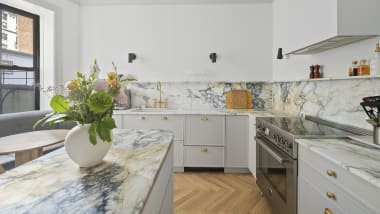
Once reserved for formal rooms, dark wood floors now appear in kitchens and open-plan living areas with increasing frequency. The trick is balance: pair a deep floor with lighter cabinetry, a pale stone counter, or a softer wall color to keep the space from feeling closed in. Done well, the result is a kitchen that feels grown-up and grounded rather than utilitarian.

Choosing the Right Dark Wood Floors for Your Project
Not all dark wood floors are the same. The species, the finish, and the format all shape how the floor reads in a finished space. The Havwoods range includes dedicated color groups in Cocoa and Brunette, both of which sit firmly in the dark spectrum, alongside Auburn tones that bring a touch more warmth for spaces that want depth without going fully chocolate.
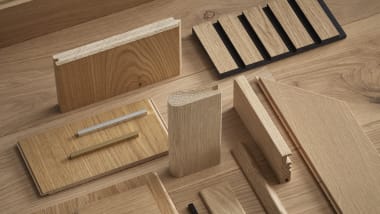
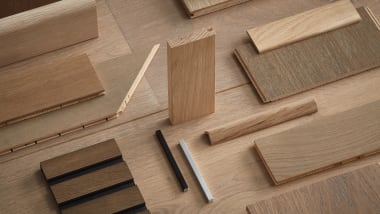
Species matters as much as color. American Black Walnut is naturally dark, with a rich chocolate body and subtle figure that gives the floor character without busyness. European Oak, when stained and finished into deeper tones, offers a different visual story, with more pronounced grain and a wider tonal range across the plank. Both species are available across the Havwoods collections, from Henley and Venture Plank through to the more sculptural Handgrade Premier and Colossal ranges.

Considering Plank Width and Pattern
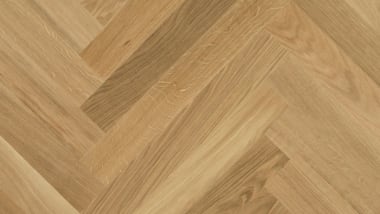
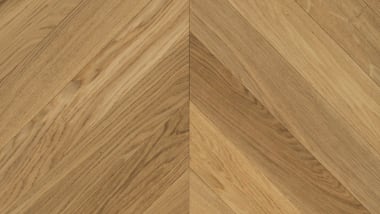
Plank width plays a major role in how dark wood floors feel underfoot and overhead. Wide planks emphasize the scale of a room and let the natural character of the wood do more of the talking. Narrow and medium planks read as more traditional. Patterned formats, including herringbone and chevron, take dark wood flooring into a more decorative territory, drawing the eye into the geometry while still anchoring the room with deep color.
Surface Texture and Finish
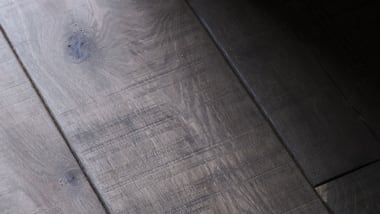
Surface treatment also matters. A matte oiled finish softens the depth of the color and lets the texture of the wood come through. A brushed surface creates a slightly more rustic feel. Smoother, more refined finishes lean modern and architectural. Within the Havwoods range, finishes are selected to complement the color and species, which is why specifying dark wood floors from a single supplier across the home tends to produce a more cohesive result.
Caring for Dark Wood Floors Over Time
Dark wood floors do show dust and footprints more readily than lighter alternatives. That is not a flaw, just a characteristic worth planning for. A consistent routine of dry sweeping or vacuuming, combined with the use of a manufacturer-approved cleaner, keeps the surface looking its best. Rugs in high-traffic areas reduce wear, and felt pads under furniture protect against scratches that would otherwise stand out more sharply against the deep finish.
UV exposure can also affect dark wood floors over time, particularly in rooms with strong, direct sunlight. Rotating rugs and rearranging furniture periodically helps the floor age evenly. With proper care, a well-specified dark wood floor only improves over the years, developing the kind of patina that synthetic surfaces cannot mimic.
Bringing Dark Wood Floors into Your Design
The most successful dark wood floors are the ones chosen as part of a complete design conversation rather than as an afterthought. Wall color, lighting plan, furniture selection, and even the species of cabinetry all influence how the floor will read in the finished room. Working with samples in the actual space, under the actual light, is essential.
Havwoods supports that process through its New York City and Portland, Oregon showrooms, virtual consultations for clients designing remotely, the WoodBook catalog, and a dedicated trade program for architects and interior designers. For more bespoke applications, custom finishes and formats are available to match a precise design intent. The result is a dark wood floor that does exactly what it should: transform the space and quietly carry the rest of the design with it.


