














White Wood Floors: Styles, Finishes, and Design Inspiration
29 May 2026
Few flooring directions deliver as much visual impact as white wood floors. They brighten interiors, open up smaller spaces, and create a fresh, modern foundation that pairs beautifully with almost any design style. From Scandinavian-inspired apartments to coastal retreats and luxury contemporary homes, white wood floors have become one of the most consistently specified pale flooring choices in modern design. This guide breaks down the styles available, the finishes that produce them, and the design directions that show white wood floors at their best.
Understanding White Wood Floors
Before exploring styles and inspiration, it helps to clarify what white wood floors actually are and how they differ from other pale flooring options.
What Defines a White Wood Floor
White wood floors are not literally white in the way paint is white. They are pale wood floors produced through finishing techniques that lift the natural color of the wood toward off-white, cream, or very pale neutral tones. The natural grain of the wood still reads through the finish, which gives the floor character that pure white surfaces cannot match. The category sits at the lightest end of the wood spectrum and overlaps with the Havwoods Blonde and Platinum color groups, both of which include oak finishes that capture this look.
How White Wood Floors Differ From Other Pale Floors
White wood floors are often confused with blonde, natural pale, and grey wood floors, but each delivers a different effect. Blonde floors retain more visible warmth. Grey floors lean cool and neutral. White wood floors sit at the lightest end of the pale spectrum, with finishes that visibly lift the natural color of the wood toward white while preserving the grain underneath.
Why White Wood Floors Have Gained Popularity
The rise of white wood floors tracks closely with the broader move toward lighter, calmer interiors. As open-plan living, abundant natural light, and minimalist material palettes have become defining features of contemporary luxury design, pale floors have moved from a niche choice to a mainstream default. White wood floors represent the lightest expression of that direction.
The Main Styles of White Wood Floors
The white wood floor category is broader than it first appears. Several distinct finishing techniques produce different results, each with its own character.
White-Washed Wood Floors
White-washed floors are produced by applying a diluted white finish that allows the natural grain of the wood to show through. The effect is soft and lived-in, with the wood retaining its character beneath a clearly visible white tone. White-washed white wood floors work beautifully in coastal homes, country properties, and any interior that wants pale wood with personality.

Limed Wood Floors
Limed floors use a traditional finishing technique that fills the open grain of the wood with a pale, lime-based pigment. The result is a more refined, slightly more controlled look than white-washing, with the lime sitting in the grain to create subtle contrast. Limed white wood floors suit refined contemporary interiors and projects where pale wood needs to feel considered rather than rustic.
Painted Wood Floors
Painted white wood floors are produced by applying an opaque white paint or pigmented finish that almost completely covers the natural wood color. The grain reads more subtly through the finish, and the overall look is the closest to true white available in wood flooring. Painted finishes work well in heritage properties, traditional homes, and any project where a clean, fresh white floor is the design goal.
Bleached Wood Floors
Bleached floors use chemical treatments to lift the natural pigment of the wood toward a pale, almost ivory tone. The finish is more uniform than white-washing, with the wood color fundamentally changed rather than simply covered. Bleached white wood floors suit modern luxury interiors and Scandinavian-inspired schemes.

How Finishes Shape White Wood Floors
Beyond the style of whitening, the protective finish applied on top of the floor influences how the wood reads and how it performs.
Matte and Oiled Finishes
Matte and oiled finishes preserve the natural look of white wood floors. They feel soft, authentic, and modern, and they tend to flatter the subtle character of pale wood without making the floor look polished or artificial. Most contemporary white wood floors are finished with matte oils or matte lacquers for this reason.
Satin and Lacquered Finishes
Satin and matte lacquered finishes offer slightly more durability while preserving a natural appearance. They suit family homes and high-traffic areas where the floor needs to handle daily life without showing wear quickly.
Avoiding High-Gloss Finishes
High-gloss finishes are generally not recommended for white wood floors. The reflective surface tends to flatten the visual depth of the pale finish and can make the floor look artificial. Contemporary luxury specifications almost always favor matte or satin finishes for white wood applications.

Design Inspiration for White Wood Floors
White wood floors work across an unusually broad range of design directions. The right pairings depend on the overall feel you want to create.
Scandinavian and Japandi Interiors
Scandinavian and Japandi design rely on calm, pale palettes built around natural materials. White wood floors are central to both directions. Pair them with natural linen textiles, oak and walnut joinery, ceramic and stoneware accessories, and abundant natural light to create the kind of serene, considered spaces these movements are known for.
Coastal and Beach House Interiors
White wood floors are a defining element of coastal interiors. The pale tone evokes weathered driftwood and sun-bleached beach houses, which gives interiors an instantly relaxed feel. Combine them with off-white walls, woven textiles, blue and sand accents, and natural rattan furniture for a coastal palette that feels collected rather than themed.

Contemporary Minimalist Homes
In contemporary minimalist interiors, white wood floors provide a neutral foundation that lets architecture and statement furniture take the lead. The pale floor reduces visual weight, opens up the space, and supports the kind of carefully curated material palettes that define modern luxury minimalism. Combine them with white walls, sculptural lighting, and a few well-chosen pieces of furniture for maximum impact.
Heritage and Traditional Spaces
White wood floors also work beautifully in heritage and traditional interiors. Painted white wood floors in particular have a long history in farmhouse and cottage design, and they pair naturally with vintage textiles, antique furniture, and detailed traditional joinery. The contrast between pale flooring and richer traditional elements creates spaces that feel both fresh and rooted.
Specifying White Wood Floors for Real Projects
Choosing the right white wood floor depends on more than just the visual style. Several practical decisions shape how the floor will perform.
Species and Construction
European Oak is the most widely specified species for white wood floors because its grain accepts pale finishes beautifully. Ash is another strong choice, particularly for projects that want a slightly different grain character. Most contemporary white wood floors are produced in engineered construction, with a real hardwood wear layer bonded to a stable multi-layer core. This format handles humidity, temperature changes, and underfloor heating far better than solid wood.
Plank Size and Format
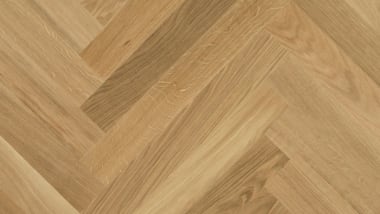
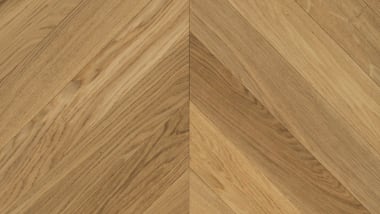
Wider and longer planks have become the default in luxury white wood floor specifications because they emphasize the calm, contemporary character of the color. Patterns such as herringbone and chevron also work beautifully in white finishes, particularly in formal rooms where the floor is meant to be a primary architectural feature.
Caring for White Wood Floors
Pale floors show debris more clearly than darker tones, which actually encourages better daily care. Routine sweeping or vacuuming removes the grit that causes most scratches. A barely damp microfiber mop with an approved wood floor cleaner handles deeper cleaning. Avoid wet mopping, steam cleaners, and harsh chemicals. With regular attention, white wood floors continue to look fresh for decades.
The Lasting Appeal of White Wood Floors
White wood floors continue to lead pale flooring specifications because they deliver brightness, character, and design flexibility in a single material. They suit contemporary, coastal, traditional, and minimalist interiors equally well, and they age gracefully as long as they are cared for. For homeowners and designers looking for a flooring direction that combines lightness and lasting impact, white wood floors remain one of the most rewarding choices available.


