
















Blonde Wood Flooring vs. Dark Hardwood: Which Suits Your Home
Choosing between blonde wood flooring and dark hardwood is one of the biggest decisions a homeowner makes when renovating or building. The floor sets the tone for everything else in a room, from wall colour to furniture to how large or cosy a space feels day to day. Get it right and every other decision becomes easier. Get it wrong and even the best furniture and paint choices can feel slightly out of step with the room.
This guide compares blonde wood flooring and dark hardwood across the factors that actually matter: light, space, style, upkeep and long-term value. By the end, you should have a clear sense of which direction suits your home, your lifestyle and the mood you want each room to carry.
There is no universally correct answer here, only the right answer for a particular room, a particular amount of natural light and a particular way of living. The sections below break each of those factors down in turn, starting with what makes blonde wood flooring such a popular choice in the first place.
The case for blonde wood flooring
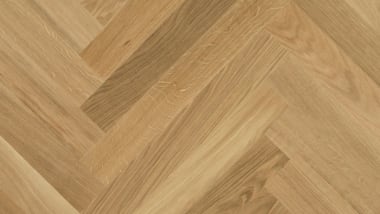
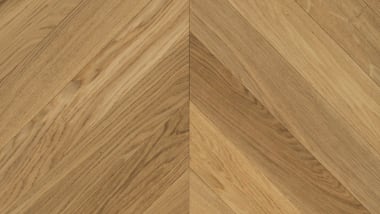
Blonde wood flooring has become one of the most requested looks in UK homes over the past decade, and the appeal is easy to understand. Pale, straight-grained species such as European oak and ash reflect far more natural light than darker stains, which makes rooms feel brighter and more open. In a country where daylight is often at a premium, especially through autumn and winter, that reflective quality carries real practical value alongside the visual one.
Light wood flooring also tends to suit a wider range of interior styles than people expect. It sits comfortably in Scandinavian-inspired living rooms, coastal-style homes, minimalist new builds and even period properties that have been refreshed with a paler palette. Because the tone is so neutral, blonde wood flooring rarely dates in the way that a heavily coloured stain can, which makes it a dependable long-term choice.
There is also a sense of scale to consider. Blonde oak flooring in particular can make a compact room, a narrow hallway or a low-ceilinged space feel considerably larger than it is, simply because the eye reads pale surfaces as more expansive. For flats, terraced houses and smaller rooms, this effect alone is often reason enough to choose a lighter floor.
The case for dark hardwood
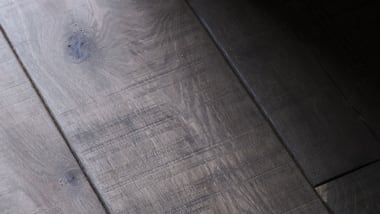
Dark hardwood flooring offers a different but equally compelling set of benefits. Rich, deep tones bring warmth, drama and a sense of grounding to a room that pale floors cannot always achieve. In larger spaces with plenty of natural light, a dark floor can feel luxurious rather than heavy, anchoring the room and giving furniture and artwork something substantial to stand against.
Dark hardwood also tends to hide everyday wear more effectively in certain conditions. Scuffs, pet hair and dust are often less visible against a deep tone than they are against blonde wood flooring, which can appeal to busy households or homes with young children and pets. In dining rooms, studies and formal living spaces, a darker floor often reads as more traditional and considered, which suits homeowners drawn to a classic aesthetic.
The trade-off is that dark hardwood absorbs light rather than reflecting it. In smaller rooms, north-facing spaces or homes with limited windows, this can make a room feel smaller and dimmer than it actually is, so the decision depends heavily on how much natural light a space receives to begin with.

How natural light should guide your decision
Before choosing between blonde wood flooring and dark hardwood, it helps to walk through each room at different times of day. A room that feels bright at midday can feel quite different by early evening, particularly in the UK, where daylight hours shrink significantly in winter.
North-facing and low-light rooms
Rooms that receive limited direct sunlight generally benefit from light wood flooring. The pale surface bounces available light around the space rather than absorbing it, which helps offset the naturally cooler, dimmer quality of north-facing rooms. Hallways without windows and basement conversions fall into this category too, where every bit of reflected light matters.
South-facing and light-filled rooms
Rooms that receive strong, direct sunlight throughout the day have more flexibility. These spaces can carry dark hardwood well, since there is enough natural brightness to balance the depth of the floor. A south-facing living room or kitchen extension with large glazing is often where dark hardwood looks its most striking, without ever feeling gloomy.

Comparing blonde wood flooring and dark hardwood room by room
Living rooms
Living rooms tend to work well with either option, so the decision often comes down to how the room is used. Blonde wood flooring suits a relaxed, airy living room built around soft furnishings and natural textures. Dark hardwood suits a living room designed for evening use, where warm lighting and rich furnishings create a more intimate atmosphere.
Kitchens
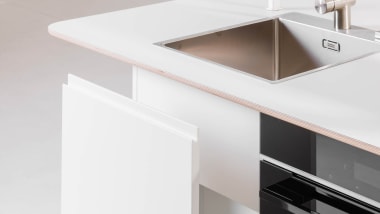
Kitchens see heavy daily use, so practicality matters as much as appearance. Blonde wood flooring pairs beautifully with both white and dark cabinetry, keeping the space feeling open even in smaller kitchens. Dark hardwood works well in larger, open-plan kitchens with plenty of light, where it grounds the space and pairs naturally with stone worktops and warm metal fittings.
Bedrooms
Bedrooms benefit from whichever tone supports rest and calm for the individual homeowner. Blonde wood flooring creates a soft, restful backdrop that suits pale bedding and natural textiles. Dark hardwood brings a cocooning, hotel-like quality that many homeowners favour in a main bedroom, particularly when paired with warm lighting.
Hallways and stairs
High-traffic areas benefit from careful thought. Light wood flooring helps a narrow hallway feel wider and brighter, which matters in many UK terraced and Victorian homes. Dark hardwood on stairs can look striking and hides scuffing well, though it may need more frequent cleaning to avoid visible dust in bright entryways.
Blonde oak flooring and other light wood options worth considering
For homeowners leaning towards a paler floor, blonde oak flooring is one of the most reliable choices available. European oak takes light finishes particularly well, and its naturally low tannin content means the colour stays pale rather than warming into amber tones over time. Ash is another species worth considering for blonde wood flooring, offering a similarly light, straight-grained appearance with slightly more visible grain movement.
Within light wood flooring more broadly, finish plays a significant role in the final look. Natural oiled finishes keep the wood close to its raw state, while whitewashed and brushed finishes push the tone even paler for homes chasing a coastal or Scandinavian feel.
Practicality and long-term upkeep
Both blonde wood flooring and dark hardwood require similar basic care: regular sweeping or vacuuming, felt pads under furniture, and doormats to reduce grit at entry points. Where they differ is in what shows over time.
Blonde wood flooring shows dust and light footprints more visibly, so it demands slightly more frequent cleaning to keep its bright appearance. Dark hardwood hides dust well but shows scratches, water marks and light scuffing more clearly against its deep, often glossier surface. Neither is objectively harder to maintain, but each suits a different tolerance for visible wear between cleans.
Resale value is another consideration many homeowners overlook. Blonde wood flooring tends to appeal to a broader range of buyers, since its neutrality works with almost any future decorating scheme. Dark hardwood can be a striking selling point in the right property, particularly larger, light-filled homes, though it is a slightly more polarising choice for buyers with strong preferences of their own.
Making the right choice for your home
A short, practical process helps narrow the decision down to what actually suits your space.
- Assess how much natural light each room receives across the day, not just at a single moment.
- Consider the room's function and whether it calls for an airy, relaxed feel or a warmer, more grounded atmosphere.
- Think about household practicalities, including pets, children and how often the floor will realistically be cleaned.
- Factor in the size and shape of the room, since blonde wood flooring tends to suit compact or narrow spaces particularly well.
- View samples of both blonde oak flooring and darker options in the actual room, in daylight and under artificial light, before making a final decision.
Working through these steps in order keeps the decision grounded in how the room is actually lived in, rather than trend alone.

Bringing it together
There is no single right answer when weighing blonde wood flooring against dark hardwood. Light wood flooring brings brightness, openness and long-term versatility, making it a strong fit for smaller rooms, low-light spaces and homes built around a relaxed, airy feel. Dark hardwood brings warmth, drama and a grounded quality that suits larger, light-filled rooms and interiors designed around a richer, more traditional palette.
The best choice comes down to how each room is used, how much natural light it receives, and the atmosphere you want to create day to day. Whichever direction feels right, both blonde wood flooring and dark hardwood offer a durable, high-quality foundation that will serve a home well for years to come.

